Graphene vs ceramic coating
Graphene coating is a ceramic (SiO2) coating with graphene oxide added, which reduces heat build-up and water spotting and slightly extends durability. In Adelaide's hard water and summer heat, graphene's anti-spotting and lower surface temperature are genuinely useful, but a quality flagship ceramic coating still protects extremely well, so graphene is a worthwhile upgrade rather than a different category.
- Graphene coatings are ceramic coatings enhanced with graphene oxide, not a separate technology.
- Graphene's real-world edge in Adelaide is less water spotting and lower surface heat on dark paint.
- Durability gains are modest: expect a slightly longer life than an equivalent ceramic, not double.
- Graphene typically costs 10 to 25 percent more, which is worth it if hard water spotting frustrates you.
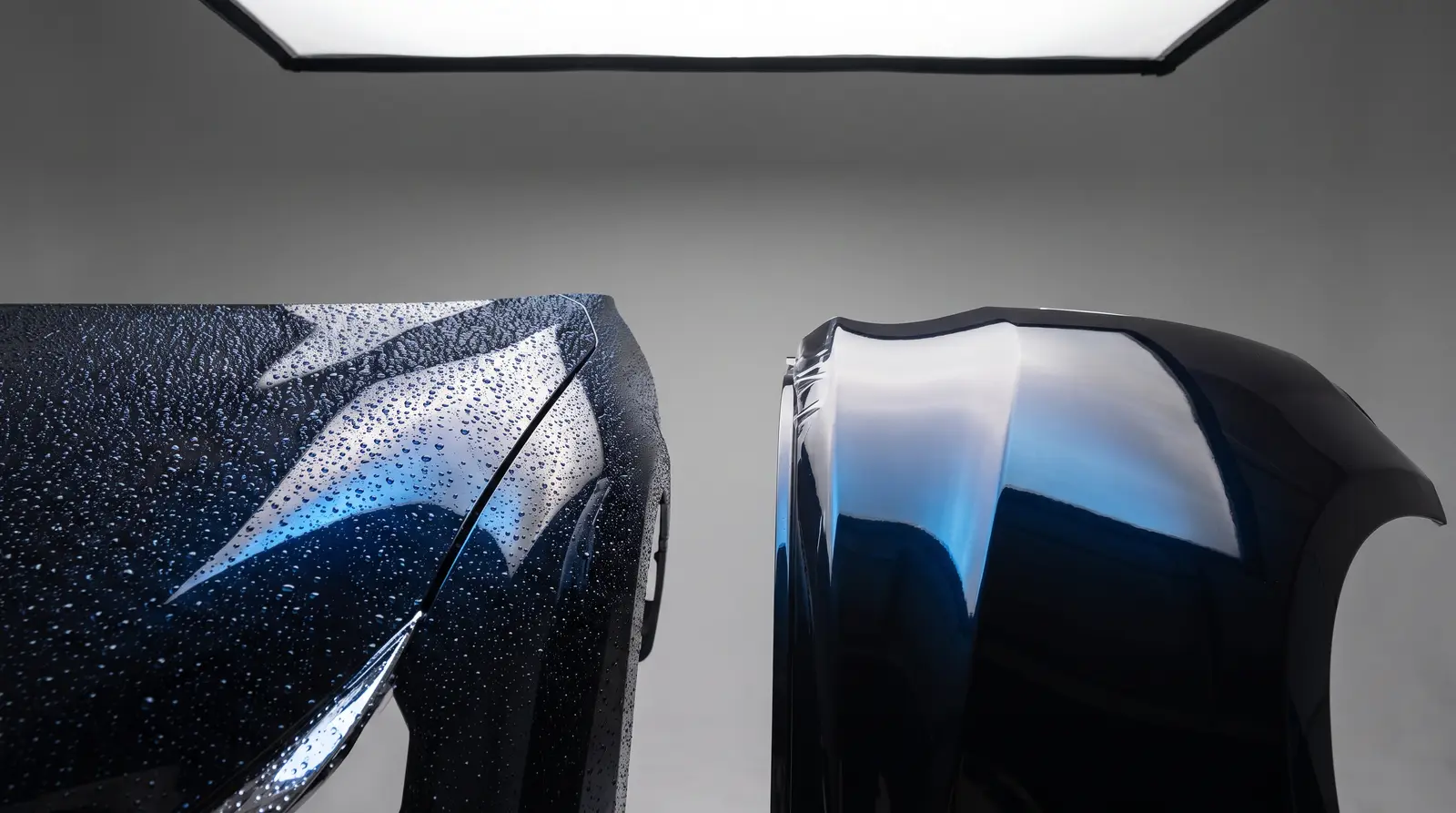
- Graphene coating is ceramic coating with graphene oxide added for anti-spotting and heat dissipation.
- In Adelaide's hard water and heat, graphene's real benefits are reduced water spots and cooler panels.
- Durability improvement over a quality ceramic is modest, so treat graphene as an upgrade, not a revolution.
Graphene coating is marketed as the next generation beyond ceramic, and there is real chemistry behind it, but the hype outruns the science. A graphene coating is a ceramic coating with graphene oxide added to the SiO2 base. It brings a couple of genuine advantages that happen to matter in Adelaide, but it is an evolution of ceramic technology, not a replacement for it.
What graphene actually adds
The two claims worth taking seriously are anti-static water behaviour and heat dissipation. Graphene reduces the static charge on the panel surface, so dust and water are less inclined to cling, and crucially water sheets off more completely. That means fewer water spots, which is a real problem in Adelaide given how hard our mains water is. Anyone who has washed a dark car and watched it dry into a constellation of white mineral spots knows this pain.
Graphene also conducts and disperses heat better than plain silica, so a graphene-coated panel runs slightly cooler in direct sun. On a black car parked in an Adelaide summer car park, that is not nothing. Lower surface heat means less thermal stress on the coating and paint.
Where the marketing overreaches
Claims of dramatically longer life and vastly superior hardness do not hold up in practice. A graphene coating typically outlasts an equivalent ceramic by a modest margin, not by years. Hardness ratings quoted on the box are laboratory figures that do not translate into real scratch resistance on your car. Treat any 10-year graphene promise with scepticism: the honest expectation is a flagship-level lifespan with better spotting and heat behaviour.
Graphene vs ceramic coating: the head-to-head
| Factor | Graphene coating | Ceramic coating |
|---|---|---|
| Base chemistry | SiO2 plus graphene oxide | SiO2 (silica) |
| Water spotting | Reduced (anti-static) | Normal for a coating |
| Surface heat | Lower on dark panels | Standard |
| Durability | Slightly longer than equivalent tier | 2 to 7 years by tier |
| Gloss | Deep, slightly warmer | Deep, glassy |
| Cost | 10 to 25 percent more | From $500 (small car) |
| Best for | Dark cars, hard water areas, heat | Broad protection at every budget |
| Main downside | Overstated marketing claims | More water spotting than graphene |
Does graphene make sense in Adelaide?
If you drive a dark-coloured car, park in full sun, or fight hard water spotting every wash, graphene is a sensible upgrade. The reduced spotting alone justifies the extra 10 to 25 percent for many owners, because Adelaide's mineral-heavy water is genuinely one of the biggest day-to-day annoyances a coated car faces. If your car is light-coloured, garaged, and you are careful about drying, a quality flagship ceramic already delivers most of what you need and graphene's premium is optional.
The verdict
Graphene is a real, worthwhile upgrade to ceramic coating, not a different category and not a miracle. Its anti-spotting and heat-dissipation benefits are tailor-made for Adelaide's hard water and hot summers, especially on dark paint. But a well-applied flagship ceramic coating protects superbly, so graphene is the right choice when spotting and heat specifically bother you, and an optional premium otherwise. The installer and the prep matter far more than the graphene label on the bottle.
Wondering if graphene is worth the premium for your car and your suburb's water? We connect you with vetted Adelaide specialists who carry both and give you a straight answer. Get matched with a trusted local installer.
Get free quotes