Gravel roads and stone chips in the Adelaide Hills
Ceramic coating does not stop stone chips because it is only microns thick. Paint protection film (PPF) is the only treatment that absorbs gravel impacts, and for Adelaide Hills drivers on Stirling, Mount Barker and back-road commutes it is the correct front-end defence.
- Ceramic coating protects against chemical and UV damage, not physical impact from stones.
- Self-healing PPF is a thick urethane film that absorbs gravel strikes and is the real chip defence.
- A partial front PPF (bonnet, bumper, mirrors, fenders) covers the panels the Hills roads hit hardest.
- Many Hills drivers run PPF on the front and ceramic coating over the rest for the best of both.
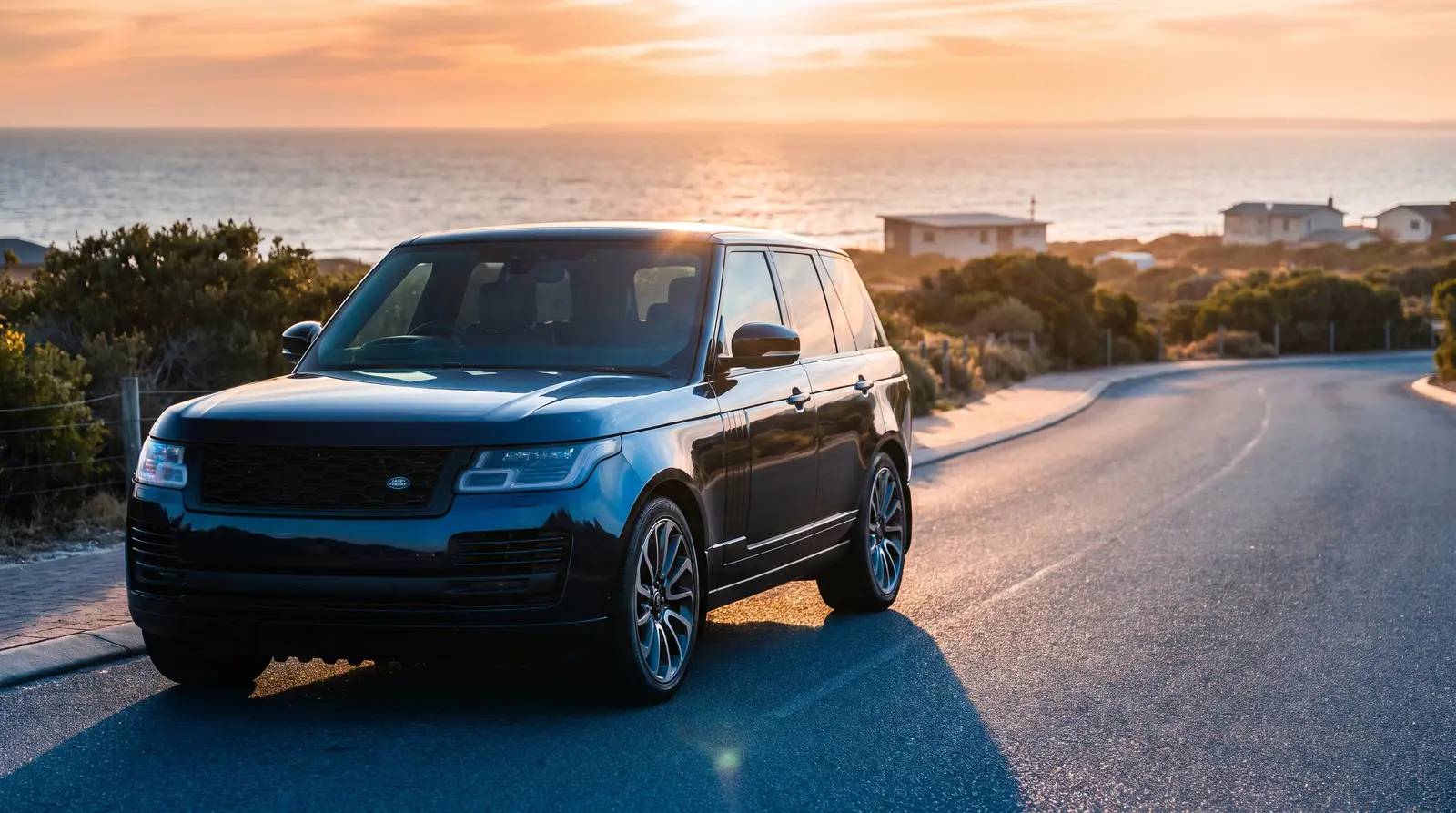
- Stone chips are physical impact damage; ceramic coating is too thin to stop them.
- Paint protection film (PPF) is a thick self-healing layer that absorbs gravel strikes.
- For Hills drivers, a partial front PPF (from $1,200 on a small car) is the targeted fix.
If you commute from Stirling, Aldgate, Crafers, Bridgewater or Mount Barker, or you take the back roads through Lobethal and Gumeracha, your car eats gravel. Unsealed shoulders, road-base repairs, and trucks flicking up loose stone on the freeway climb all pepper your front end. It is the single most common paint complaint from Hills car owners, and there is a widespread misunderstanding about how to fix it.
Why ceramic coating will not stop stone chips
A ceramic coating cures to roughly 1 to 3 microns thick. That is thinner than a sheet of paper. It is superb at what it is designed for: resisting UV, oxidation, salt, bird droppings, tree sap and chemical etching. But it has almost no ability to absorb a physical impact. A stone travelling at 100km/h on the freeway carries enough energy to chip through clear coat, base coat and coating alike. Anyone selling ceramic coating as chip protection is misleading you.
Paint protection film is the real answer
PPF is a clear thermoplastic urethane film, typically 150 to 200 microns thick, applied over the paint. That is 50 to 100 times thicker than a coating. When a stone hits it, the film absorbs and spreads the energy instead of letting it punch through to the paint. Quality PPF is self-healing: light scuffs and swirl marks disappear when the film warms in the sun or under warm water, because the urethane top layer flows back to shape.
- PPF absorbs gravel strikes, road rash and light scratches that would chip bare paint.
- Self-healing top coats erase minor marks with heat, so the film stays clear.
- Modern PPF carries its own UV inhibitors and can be ceramic-coated on top for slickness.
How much film does a Hills car need?
You do not have to wrap the whole car. The panels that take the gravel are the leading edges: the bumper, the bonnet, the front of the fenders, the wing mirrors, and the A-pillars and headlights. A partial front PPF covers exactly these, which is why it is the popular choice for Hills commuters who want protection without a full-body cost.
| Vehicle size | Partial front PPF (from) | Full body PPF (from) |
|---|---|---|
| Small / hatch | $1,200 | $4,500 |
| Sedan | $1,500 | $6,000 |
| SUV / 4WD | $1,900 | $7,500 |
| Large | $2,300 | By quote |
The setup most Hills owners land on
The combination that makes sense for a Hills daily driver is PPF on the front-end impact zone and a ceramic coating over the rest of the car (and often over the film too). The PPF handles the physical chips from gravel; the coating handles the UV, salt and grime everywhere else and keeps the whole car easy to wash. You get impact protection where you need it and chemical protection everywhere.
Coating and film solve different problems. On a Hills car you often need both, and knowing which panel needs which is the whole game.
Drive the Hills roads daily? We connect you with vetted Adelaide installers who fit self-healing PPF on the front and can coat the rest in one visit. Tell us your car and get matched with a trusted local specialist.
Get free quotesThe takeaway
Stone chips are physical damage, and only a physical barrier stops them. If a Hills commute is chipping your bonnet and bumper, PPF is the fix, not a thicker coating. Put the film where the gravel lands, coat the rest, and your front end survives the back roads.