What causes swirl marks and how to prevent them
Swirl marks are caused almost entirely by wash technique, not by weather or UV. Dragging grit across the paint during washing and drying is what scratches the clear coat: automatic brush washes, single-bucket washing, dirty mitts and dry wiping are the main culprits. Correct technique plus a ceramic coating prevents them.
- Swirls are wash-induced scratches, the number-one cause is dragging grit across the paint.
- Automatic brush car washes are the fastest way to swirl a car.
- The two-bucket method, a quality mitt and never dry-wiping prevent most swirls.
- A ceramic coating makes grit slide off, dramatically reducing new swirl formation.
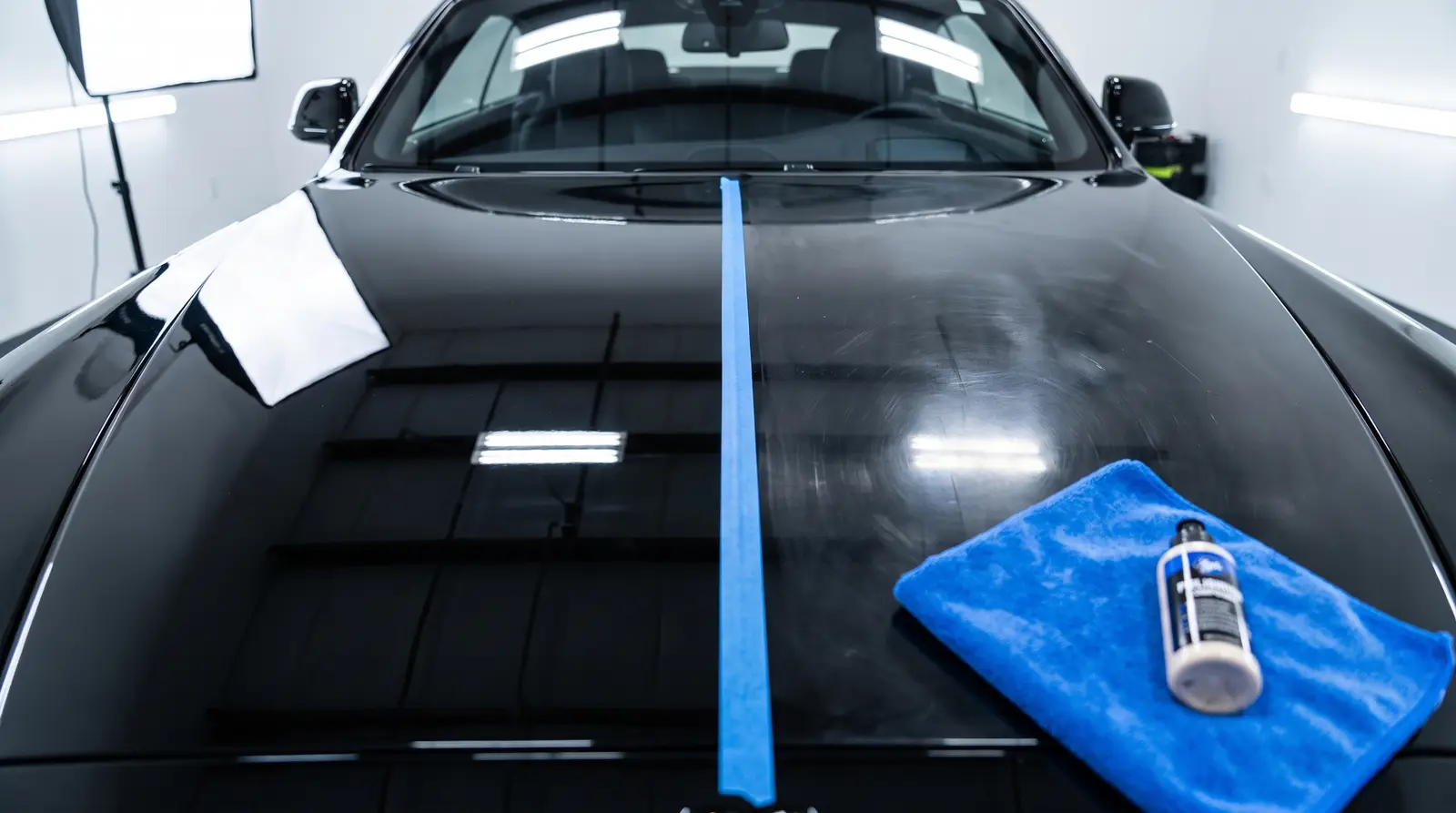
- Swirls come from wash technique, not weather, grit dragged across paint scratches the clear coat.
- Automatic brush washes, one bucket and dry wiping are the main causes.
- Two-bucket washing plus a ceramic coating is the prevention that actually works.
The surprising truth about swirl marks is that they are self-inflicted. People assume the sun, the weather or cheap paint causes them, but swirls are overwhelmingly created during washing and drying. Every swirl is a fine scratch, and a scratch requires something abrasive being dragged across the paint. That something is almost always grit: road dust, dirt and fine particles that either sit on the car or contaminate your wash gear. Understand that, and prevention becomes obvious. You are not fighting the weather, you are fighting friction with grit.
The real causes, ranked
- Automatic brush car washes: stiff shared brushes drag accumulated grit from every previous car across your paint. The single worst offender.
- Single-bucket washing: rinsing a dirty mitt in the same bucket you wash from grinds grit straight back onto the paint.
- Dry or dusty wiping: wiping a dusty car with a cloth, or a quick detailer over dry dust, scratches every time.
- Poor-quality wash media: cheap sponges and old towels hold grit and lack the pile to lift it away from the surface.
- Washing in direct sun: water and product dry before you rinse, so you wipe grit across hot paint.
- Improper drying: rubbing a towel across the panel instead of patting or using a blower drags trapped particles.
One trip through an automatic brush wash can put more swirls into a black car than a year of careful hand washing. If you take one thing from this: never use an automatic brush wash on paint you care about.
Why Adelaide makes swirls easier to create
Adelaide conditions do not cause swirls directly, but they load the deck. Our dry summers coat cars in fine dust, and fine dry dust is more abrasive per wipe than damp grime. Cars in the Adelaide Hills collect gravel-road dust that is especially gritty. Coastal suburbs like Semaphore and Henley add salt crystals to the mix. And the summer heat means any home wash in the sun dries fast, tempting people to wipe dry paint. None of these scratch the car on their own, but each one gives your wash technique more grit to drag around if you are not careful.
How to prevent swirl marks properly
Prevention comes down to keeping grit off the paint and never dragging it when it is there. The proven method is straightforward and does not require expensive gear.
- Rinse the car thoroughly first to float off loose grit before any contact.
- Use the two-bucket method: one bucket of wash solution, one of clean rinse water with a grit guard, and rinse your mitt in the rinse bucket between panels.
- Use a quality microfibre or lambswool wash mitt that lifts grit into its pile, not a flat sponge.
- Wash top to bottom, since lower panels hold the most grit, and never reuse that side of the mitt up high.
- Never use an automatic brush wash, choose touchless if you must use a machine.
- Dry by patting with a clean plush microfibre towel or, better, a filtered air blower.
- Wash in shade, not direct sun, so nothing dries before you rinse.
The coating that makes prevention easier
The best swirl prevention combines good technique with a ceramic coating. A coating adds a slick, hard top layer, so grit is far less likely to grip and scratch, and it slides off more easily during washing. Coated cars are genuinely harder to swirl, which is one of the underrated benefits of coating. It does not make bad technique safe, an automatic brush wash still scratches a coated car, but combined with two-bucket washing it keeps a corrected finish looking flawless for years.
Already have swirls, or want to protect fresh paint from getting them? We connect you with vetted Adelaide specialists who correct existing swirls and coat the paint so new ones are far harder to create. Get matched with a trusted local installer.
Get free quotes