PPF vs ceramic coating for stone chip protection
For stone chip protection, PPF wins decisively. Paint protection film is a thick urethane layer that physically absorbs stone strikes, while a ceramic coating is only a few microns thick and cannot stop a chip. For Adelaide's chip-heavy Hills and freeway roads, PPF is the only real answer, and the strongest build runs both.
- PPF stops stone chips; ceramic coating does not, and no coating ever will.
- A ceramic coating is 2 to 5 microns thick, PPF is 150 to 200 microns, and that gap is the whole story.
- Ceramic coating still wins for gloss, easy cleaning and chemical resistance.
- On Adelaide roads the best build is PPF on the front, ceramic over the whole car.
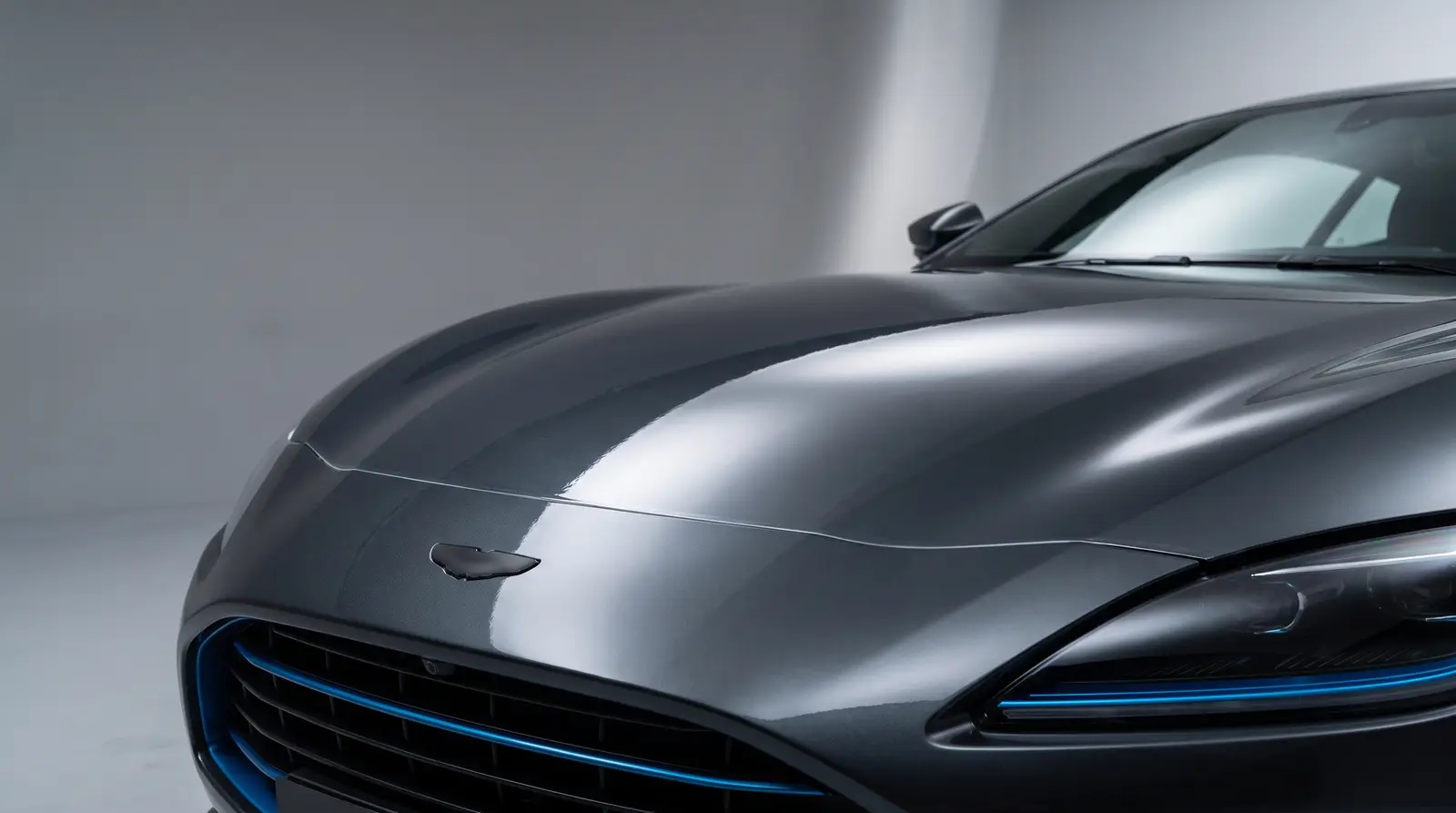
- For stone chips, PPF wins outright; ceramic cannot stop a chip.
- PPF is 150-200 microns thick, ceramic is 2-5 microns.
- Ceramic still wins for gloss and easy cleaning.
- Best build for Adelaide: PPF on the front, ceramic over the whole car.
This comparison gets asked constantly and the answer is not close. For stone chips specifically, PPF wins outright. A ceramic coating, whatever the marketing implies, cannot stop a stone chip, because it is far too thin. If chip protection is your goal, this is settled. What follows is why, and where ceramic coating still absolutely earns its place.
The thickness that decides it
A ceramic coating cures to a hard glass-like layer roughly 2 to 5 microns thick. PPF is a flexible urethane film around 150 to 200 microns thick, tens of times thicker. When a stone hits at freeway speed, the ceramic layer is so thin it offers no meaningful cushioning: the impact goes straight through to the clearcoat and chips it. The PPF's thick, elastic body absorbs and spreads that same impact so the paint never feels it. Thickness is the entire mechanism, and it is why no coating will ever match film for chips.
| For stone chips | Paint protection film | Ceramic coating |
|---|---|---|
| Stops stone chips | Yes | No |
| Thickness | 150-200 microns | 2-5 microns |
| Absorbs impact | Yes, elastic urethane | No, too thin |
| Self-heals scratches | Yes | No |
| Protects against road rash | Yes | No |
| Verdict for chips | Clear winner | Not the tool for this |
What ceramic coating is actually for
None of this means ceramic coating is inferior. It is a different tool for a different job, and it does that job better than film:
- Deep, glossy shine that PPF alone does not fully match.
- Strong hydrophobics, so water sheets off and the car stays cleaner longer.
- Chemical resistance to bird droppings, bug acids and hard-water spotting, all real Adelaide problems.
- UV protection that helps prevent paint oxidation and fade under Adelaide's extreme sun.
- Far easier washing, because dirt and grime struggle to bond to the slick surface.
So the honest framing is not PPF versus ceramic. It is chips versus gloss and cleanability. They protect against different things.
The Adelaide-specific case for PPF
Adelaide makes the stone-chip question especially pointed. The South Eastern Freeway and the roads up into the Hills throw gravel at your front end on every trip, and unsealed Hills roads sandblast the lower panels. That is a chip environment, and a chip environment calls for the chip tool. A ceramic-coated but unfilmed front bumper in Adelaide will still chip. A PPF-wrapped one will not. For anyone driving those roads, film on the front is not optional if chip-free paint is the goal.
Coating a car and expecting it to survive Hills gravel is the most expensive misunderstanding in paint protection. The coating does everything except the one thing you bought it for.
The answer for Adelaide: run both
The strongest paint protection combines them and plays each to its strength. PPF goes on the high-impact zones (front bumper, bonnet, guards, mirrors, plus rockers and A-pillars for Hills drivers) to stop chips. A ceramic coating then goes over the entire car, film included, to add gloss, hydrophobics and easy cleaning everywhere. The film handles the stones, the coating handles the shine and the wash. That layered build is the benchmark for a well-protected Adelaide car.
Deciding between film, coating or both comes down to your car and your roads. We connect you with vetted Adelaide specialists who assess your driving and recommend the right combination honestly. Get matched with a trusted local installer and refer with confidence.
Get free quotes