Self-healing PPF, does it really work?
Yes, self-healing PPF genuinely works. The film's elastic topcoat flows back to flat when warmed, so light swirls, wash marks and fine scratches that sit only in the top layer disappear with heat from the sun, a hot rinse or a heat gun. It cannot fix deep gouges that cut through the film or damage to the paint underneath.
- Self-healing PPF really works: heat lets the elastic topcoat flow back and erase light scratches.
- It fixes swirls, wash marks and fine scratches, not deep cuts through the film.
- Adelaide's summer heat and warm rinses trigger the healing effect for free.
- The self-heal only works on quality films with a true elastomeric topcoat, not cheap urethane.
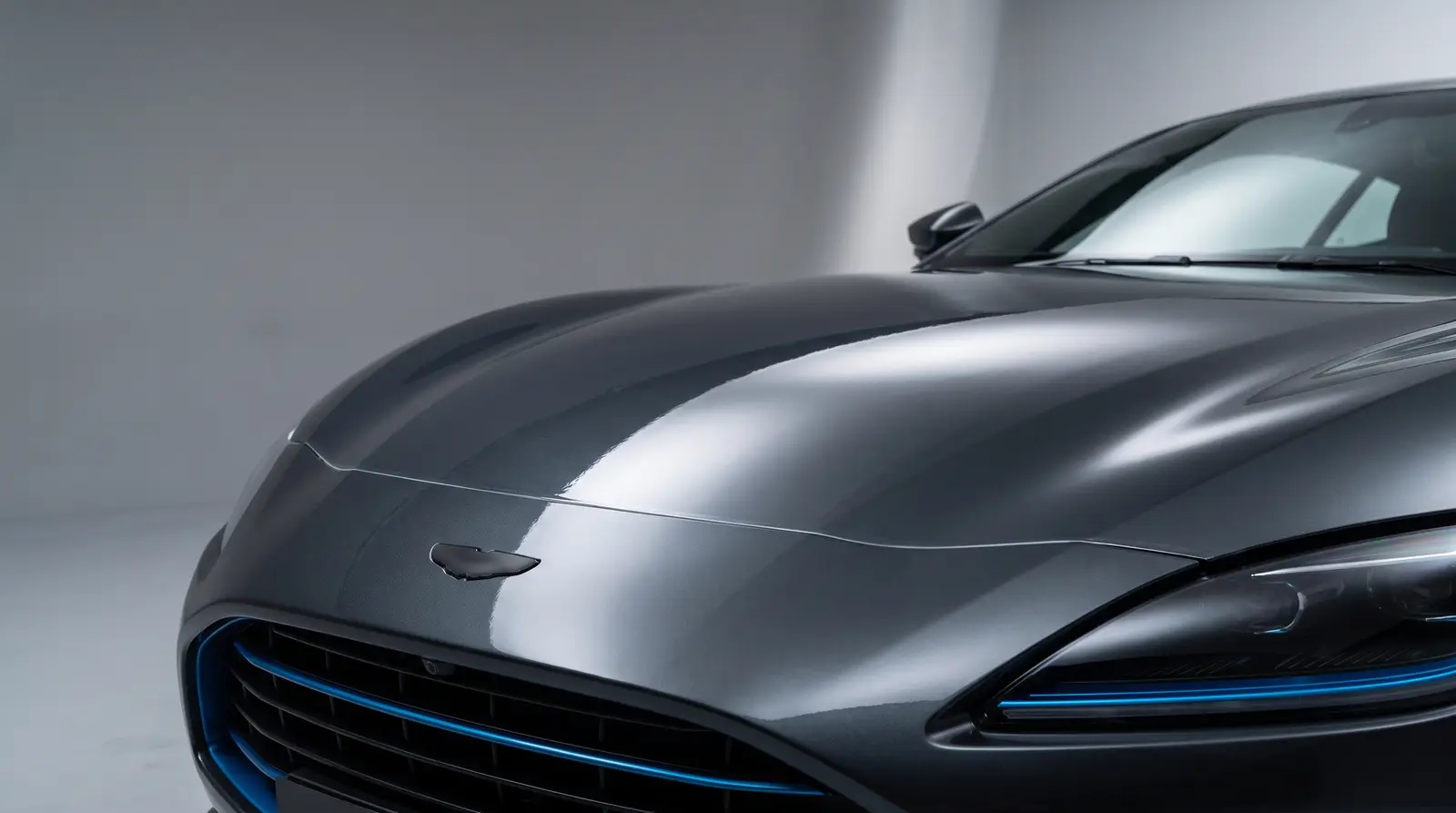
- Self-healing PPF is real physics, not marketing: heat reflows the topcoat.
- It erases light swirls and wash marks, not deep gouges.
- Adelaide heat and hot rinses trigger the effect for free.
- Only quality films with a true elastomeric topcoat self-heal.
Self-healing PPF is one of the few detailing claims that is completely true. Quality film has an elastomeric (rubber-like, elastic) topcoat with shape memory. When you scratch it lightly, you are only deforming that top layer, not removing material. Add heat and the topcoat relaxes back to its original flat shape, and the scratch simply vanishes. This is real polymer physics, not a marketing gimmick.
How the self-healing actually happens
The healing is triggered by heat, and there are three easy ways to apply it:
- Ambient heat. On a hot Adelaide day, a car parked in the sun heats the film enough to heal light marks on its own.
- A hot rinse. Pouring warm water over a marked panel, or a hot-water rinse at the end of a wash, relaxes the topcoat.
- A heat gun. A detailer can warm a specific scratch with a heat gun for near-instant healing.
The warmer the film, the faster it heals. In an Adelaide summer, minor swirl marks often disappear within a day of normal driving in the heat, with no effort at all.
What self-healing can and cannot fix
The line is simple: if the scratch only marked the topcoat, heat fixes it. If it cut through the film, it does not.
| Damage type | Self-heals? |
|---|---|
| Light swirl marks from washing | Yes |
| Fine scratches in the topcoat | Yes |
| Fingernail and ring marks at door cups | Yes |
| Light bird-dropping etch on the film | Usually |
| Deep gouge through the film | No |
| Stone strike that tore the film | No, but it saved your paint |
That last row is the key point. When a stone strike is severe enough to damage the film itself, the film has done exactly its job: it absorbed a hit that would otherwise have chipped your paint. The self-heal handles the small daily stuff, and the film's thickness handles the big impacts.
Why cheap film does not self-heal properly
The self-healing effect depends entirely on a true elastomeric topcoat. Premium films are engineered with this shape-memory layer. Cheaper urethane films either lack it or use a weaker version, so their scratches are permanent. This is one of the clearest ways the quality gap shows up: two films can look identical on day one, but only the quality film erases a swirl when the panel warms up. If self-healing matters to you, the film grade is not optional.
The self-heal is the daily-life feature. It quietly erases every wash swirl and door-cup mark so the film stays glassy for a decade, while the film's thickness deals with the stones.
Self-healing PPF and Adelaide's climate
Adelaide is close to ideal for self-healing film. The long, hot summers mean the film spends months at temperatures that trigger healing naturally, so light marks tend to clear themselves between washes. In cooler winter months, a warm-water rinse does the same job in seconds. Either way, the effect is available year-round with essentially no effort.
Self-healing only works on genuine premium film, so the product choice matters. We connect you with vetted Adelaide installers who fit true self-healing PPF with a manufacturer warranty. Get matched with a trusted local specialist and refer with confidence.
Get free quotes